My interest is in reimagining meaningful systems
to drive extraordinary outcomes for ordinary people.
How I got here
The Mill Town Kid

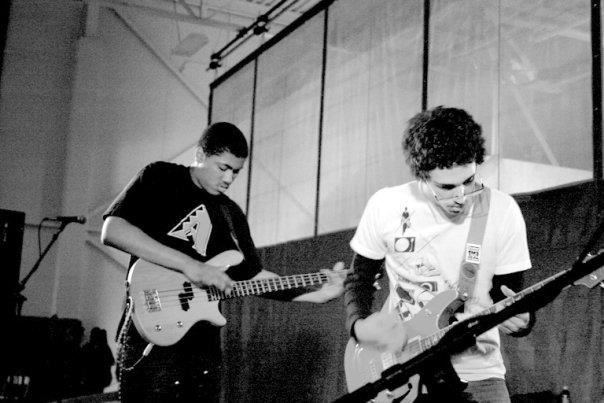
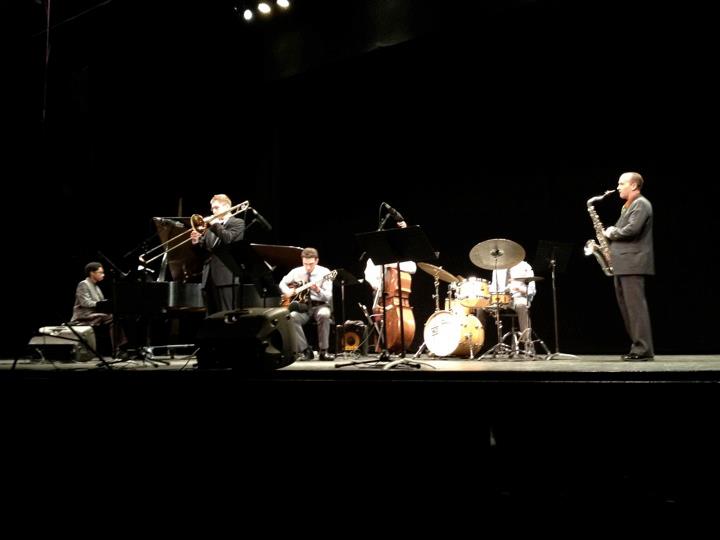
I grew up in a working-class mill town in Connecticut with my mother and spent summers in rural Ohio with my father — both classical guitarists. From my professorial father I learned to stick with deeply ambitious projects;
from my entrepreneurial mother, to follow my muse. With their influence in mind, I'd go on a big adventure, far from home — Silicon Valley, Switzerland, Oxford, and finally the greatest adventure of them all — building startups.
By college I was practicing jazz guitar incessantly, expecting music to become my life. Math had always come easy, but I'd only enrolled in the Acoustical Engineering program because it paid for my scholarship. Then, at the peak of my playing, tendonitis set in — a repetitive strain injury that sent shooting pain through my hands every time I picked up the instrument.
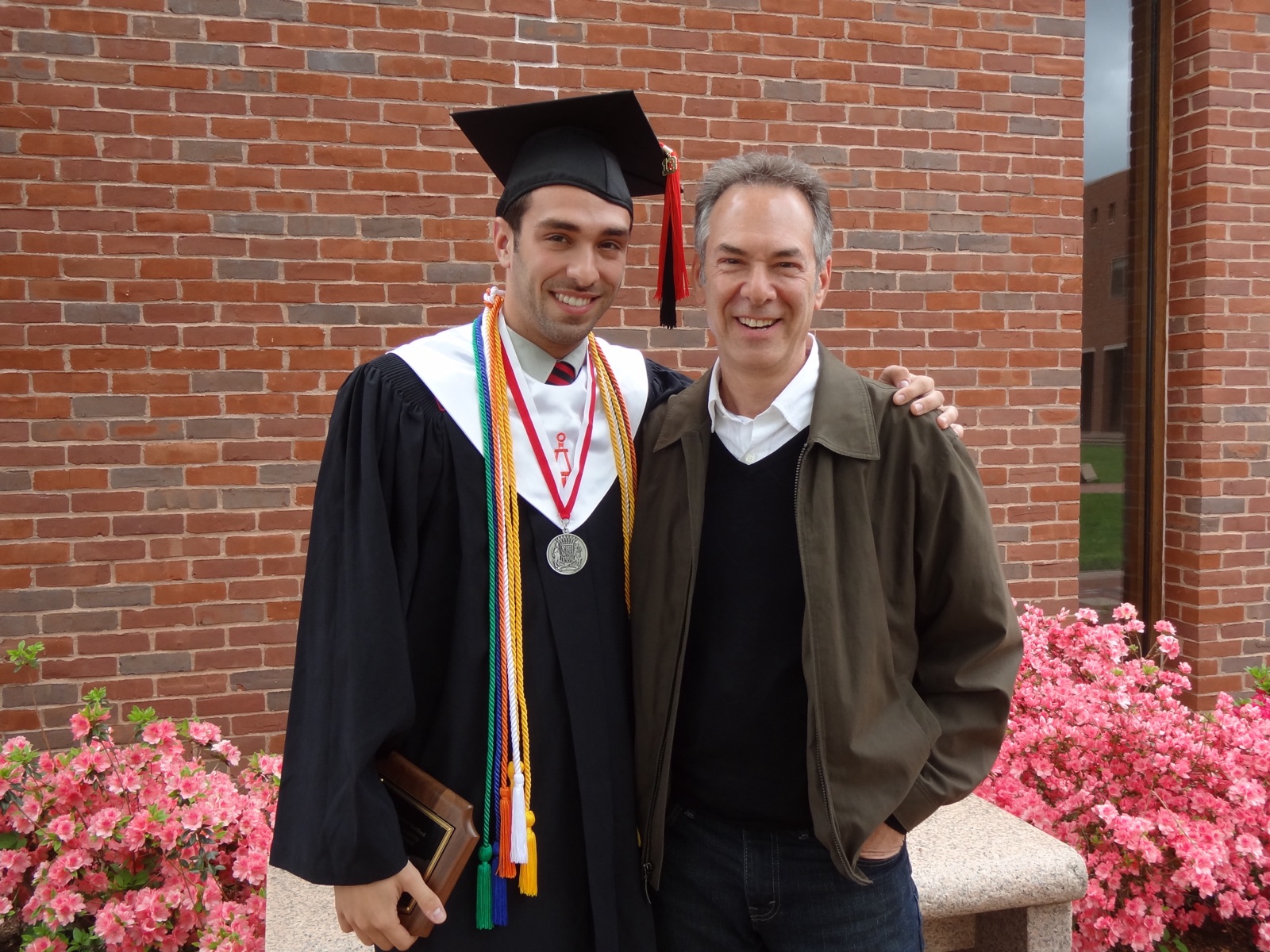
So I spent my nights shutting down the library instead, wandering the labyrinth of shelves and taking in the breadth of breakthroughs laid before me. Before long, reading about it wasn't enough. I realized I wanted to be a research engineer and a scientist and I started applying to government lab internships immediately.
The Scientist
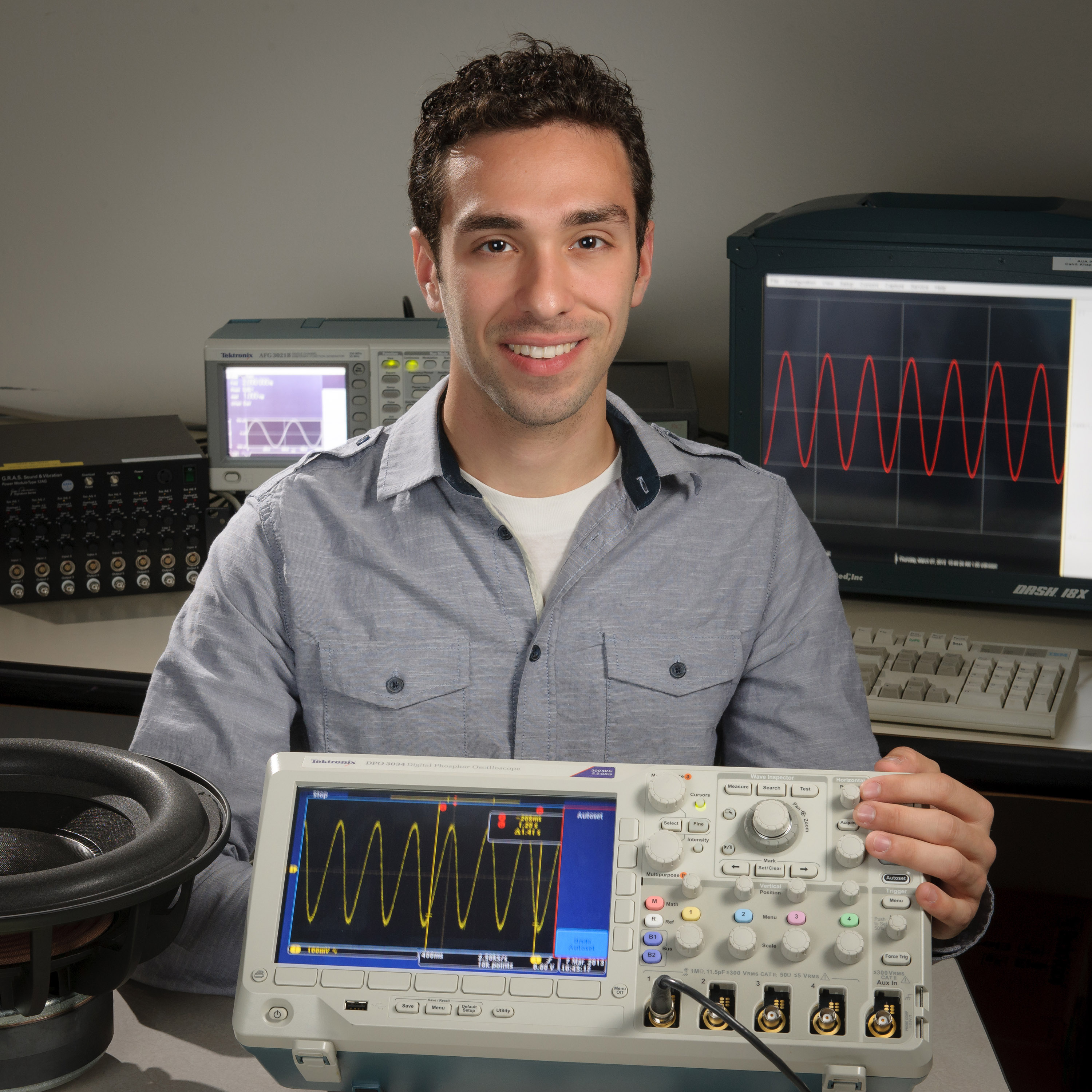
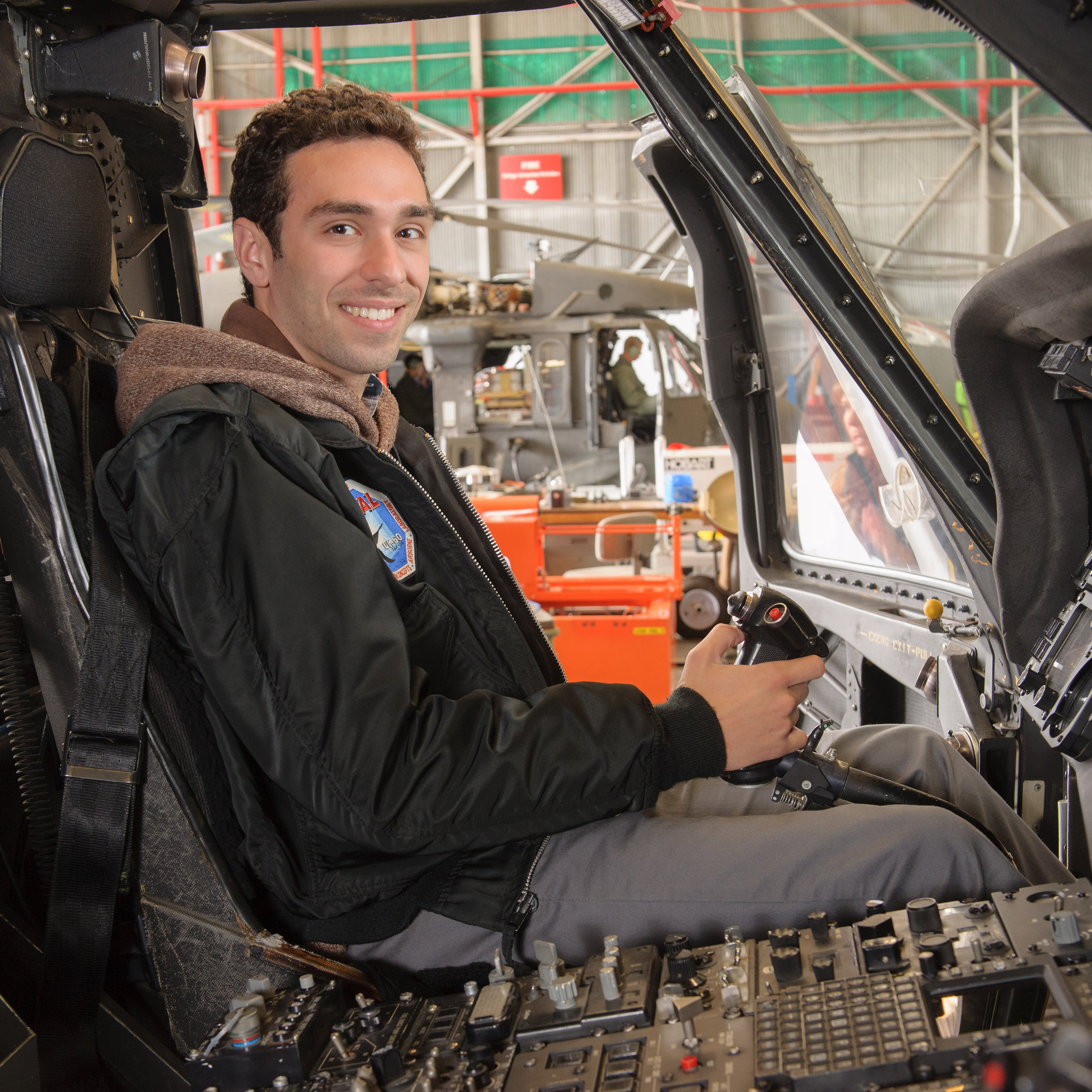
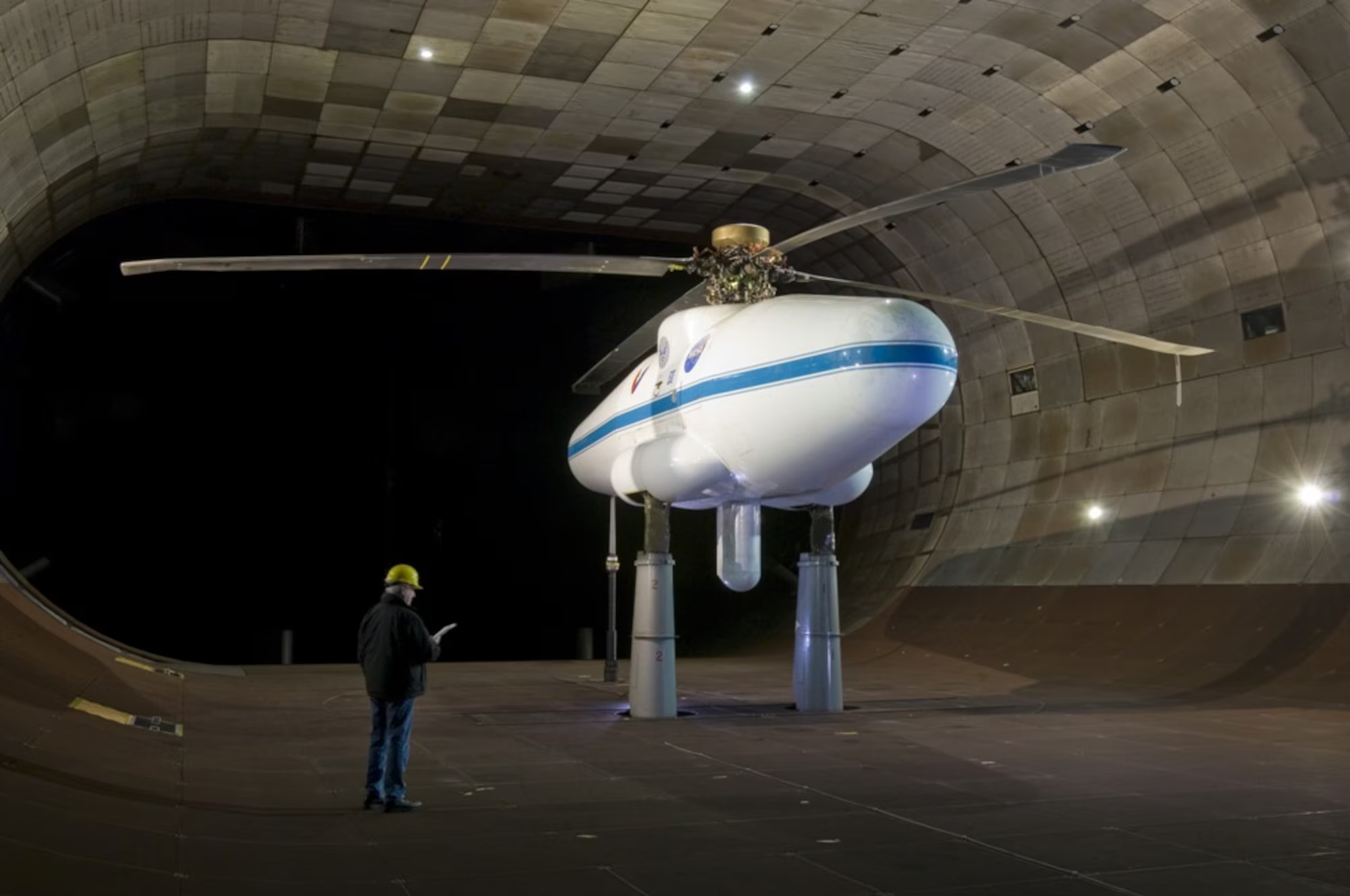
I landed at the Department of Energy's Stanford Linear Accelerator (SLAC), helping the hunt for dark matter. Then a semester-long fellowship at NASA Ames Research Center working with the Army on rotorcraft acoustics inside the world's largest wind tunnel. I wasn't a boy genius — just the same mill town kid. Yet there I was, presenting to serious people on serious topics and eating lunch next to Nobel Laureates.
It was surreal, and sometimes intimidating. These experiences had given me momentum, but most of my colleagues in applied acoustics were heading toward military or consumer electronics, neither of which excited me in the least. I wanted my work to help people. I flirted with leaving acoustics altogether and starting over in physics or mathematics, but then I discovered medical acoustics and fell in love.
It started with a YouTube video of Prof. Eleanor Stride explaining how ultrasound could deliver therapeutics to a target region in the body. She would later become my doctoral advisor at Oxford — but first, I needed to get to Europe. I reached out to Prof. Vartan Kurtcuoglu, University of Zürich, and asked if he'd sponsor my Fulbright application to study ultrasound-mediated drug delivery in his lab. In a moment I'll never forget, I was awarded not only the Fulbright, but I was selected as a Martin Scholar to study at the University of Oxford under none other than Prof. Eleanor Stride. That year as Fulbright Scholar in Switzerland would be just the start of my five year journey abroad.
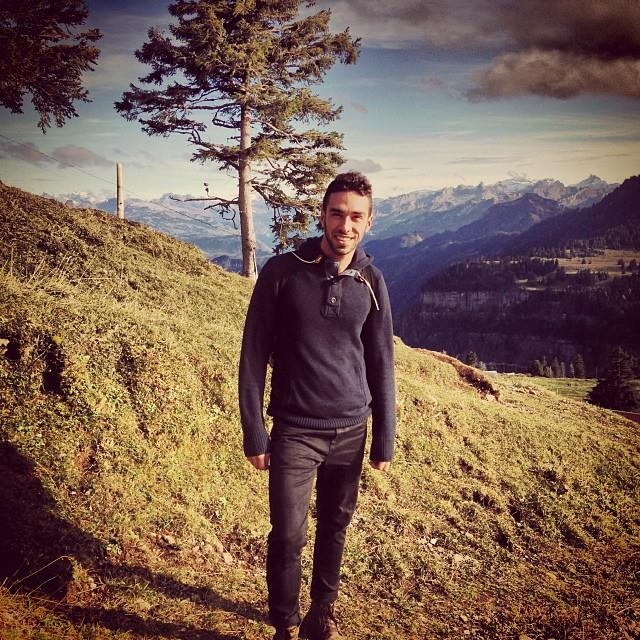
I remember it like it was yesterday. My mother crying in the airport and then landing at my Fulbright-sponsored apartment in Zürich overlooking the city and the lake and the snow-capped alps, sipping glühwein, learning tissue engineering and computational fluid dynamics, and coming of age in a city of wonder. From Zürich, I moved to Oxford to continue my work on ultrasound and the blood-brain barrier at the BUBBL lab under Prof. Eleanor Stride.

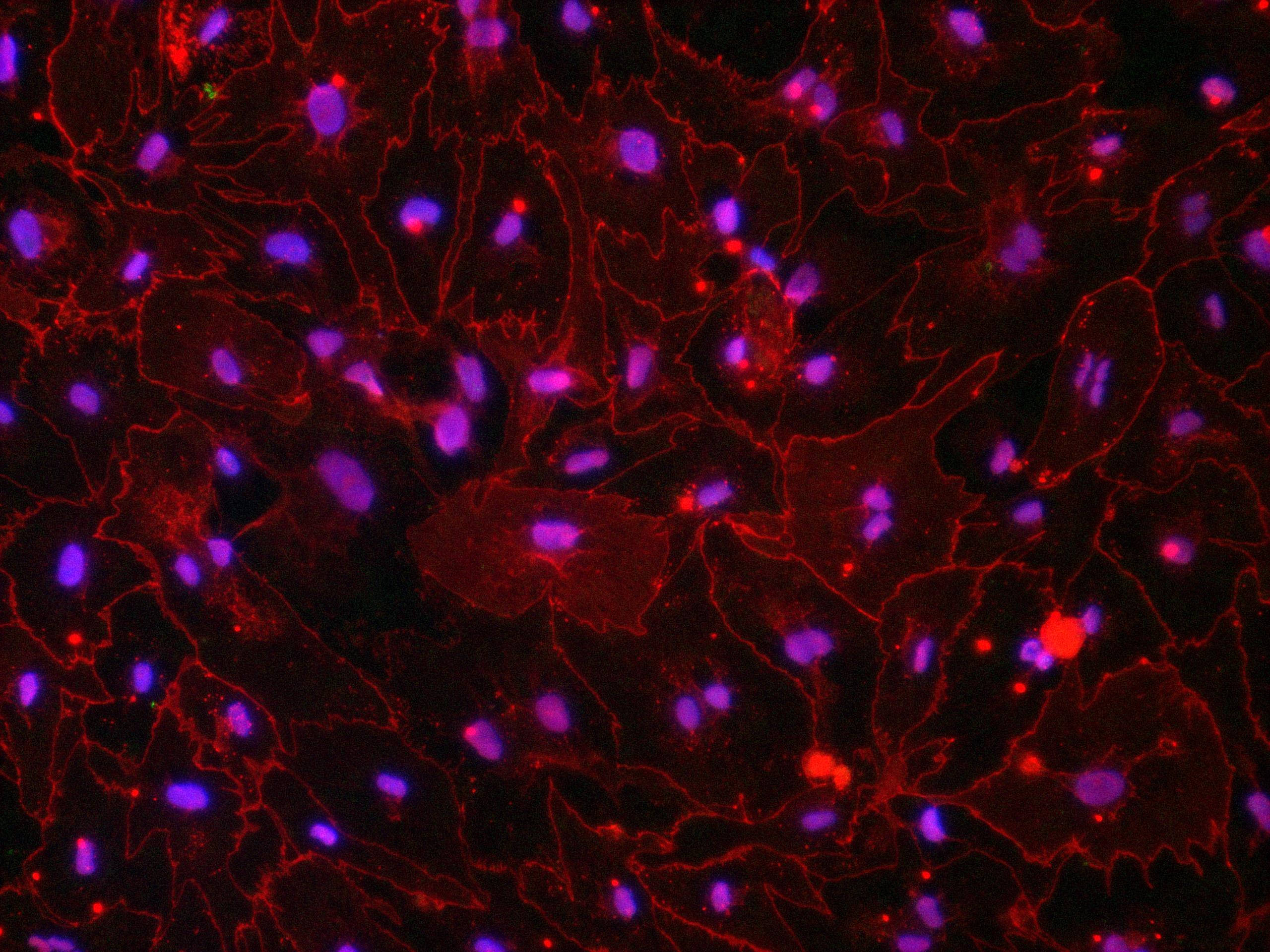
BUBBL — Oxford's Biomedical Ultrasonics, Biotherapy and Biopharmaceuticals Laboratory — sat at the intersection of physics, engineering, and medicine: designing micro- and nano-scale drug carriers activated by ultrasound, with applications ranging from cancer treatment to drug delivery across the blood-brain barrier.
Four years of research pulled into a thesis and five peer-reviewed papers — and into a front-row seat at the frontier of medicine. I remember asking lead researchers at Big Pharma how they'd improve our methods and watching them admit they hadn't a clue. We were genuinely working on problems no one else had solved.
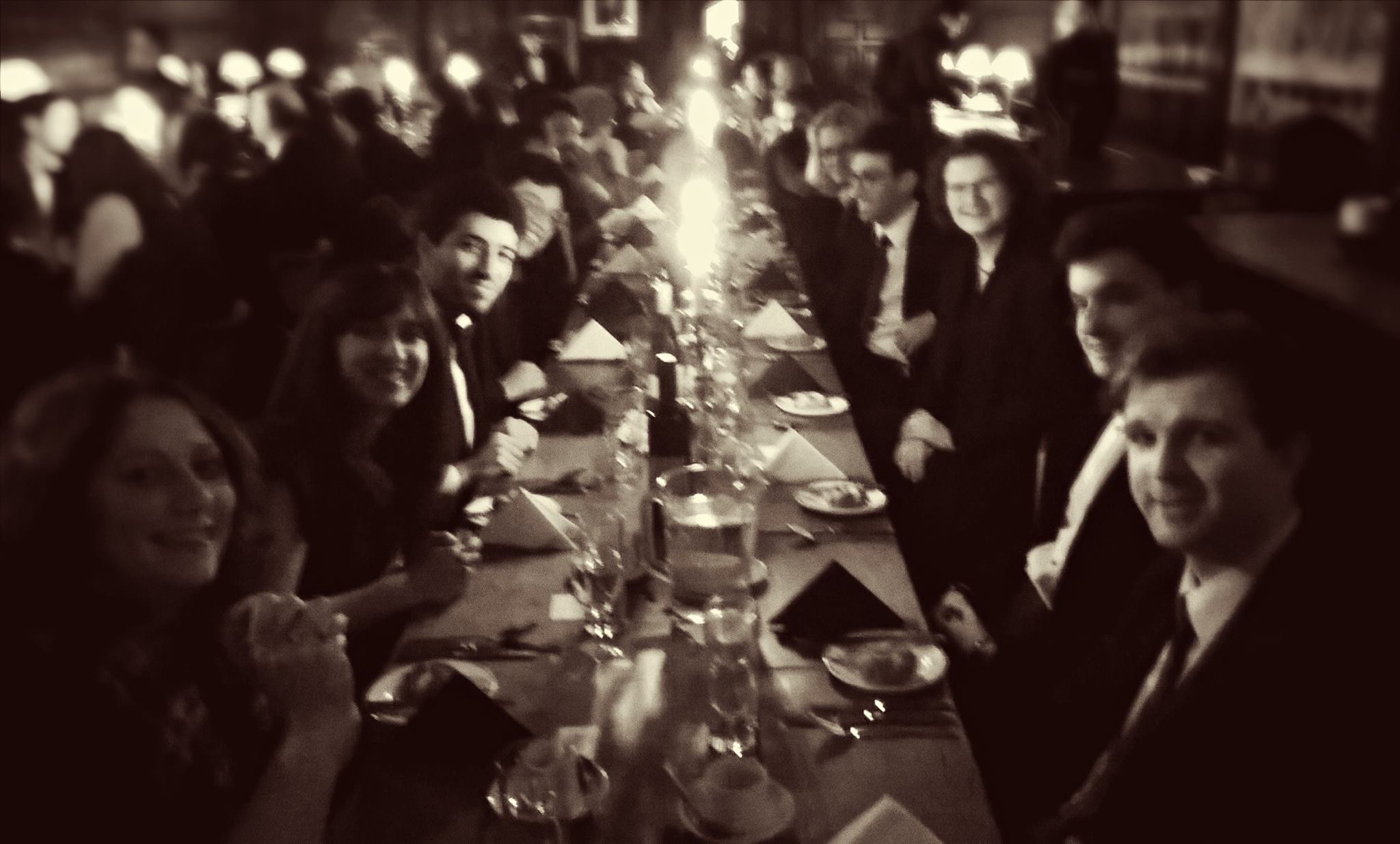
Surrounded by the most brilliant people I'd ever met, ancient architecture, and centuries of tradition, I felt completely out of place for the first year. What was a mill town kid doing here? I was determined to prove — to myself, to everyone back home — that it wasn't a mistake I'd made it this far.
So I worked. Back-to-back hundred-hour weeks, found alone in the lab past midnight surrounded by high-voltage amplifiers more than once, breaking institution rules around working in the lab alone because if I wasn't smart enough, I'd be damned if I failed for not working hard enough.
By the end, the work showed me something back. I had discovered a new method for delivering drugs with ultrasound for cancer treatment — something no one had found before. I had added, in my own small way, to the corpus of human knowledge. I no longer needed permission to belong. I've never been happier than the moment after my defense when I learned I'd passed and earned my Ph.D. from the University of Oxford.
The thesis and five papers
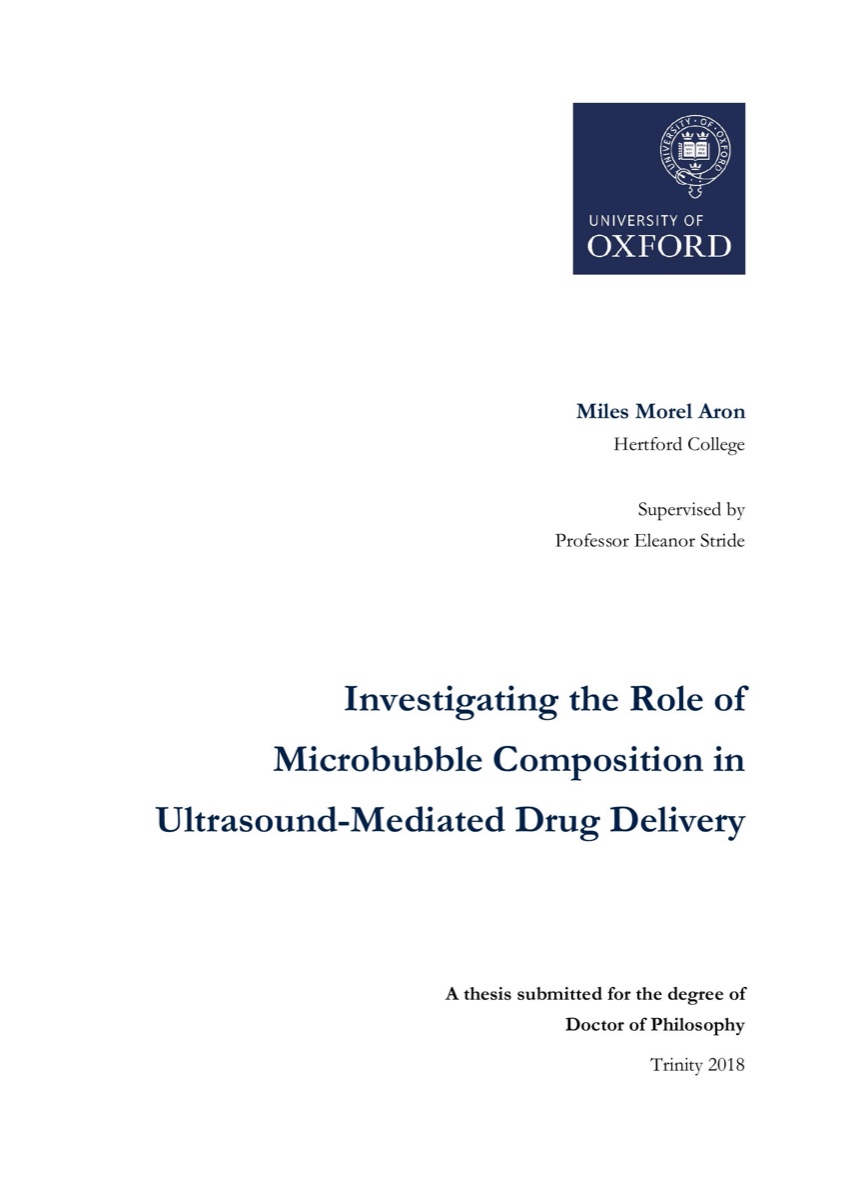
★ DPhil Thesis · 2019
Investigating the Role of Microbubble Composition in Ultrasound-Mediated Drug Delivery
Read thesis →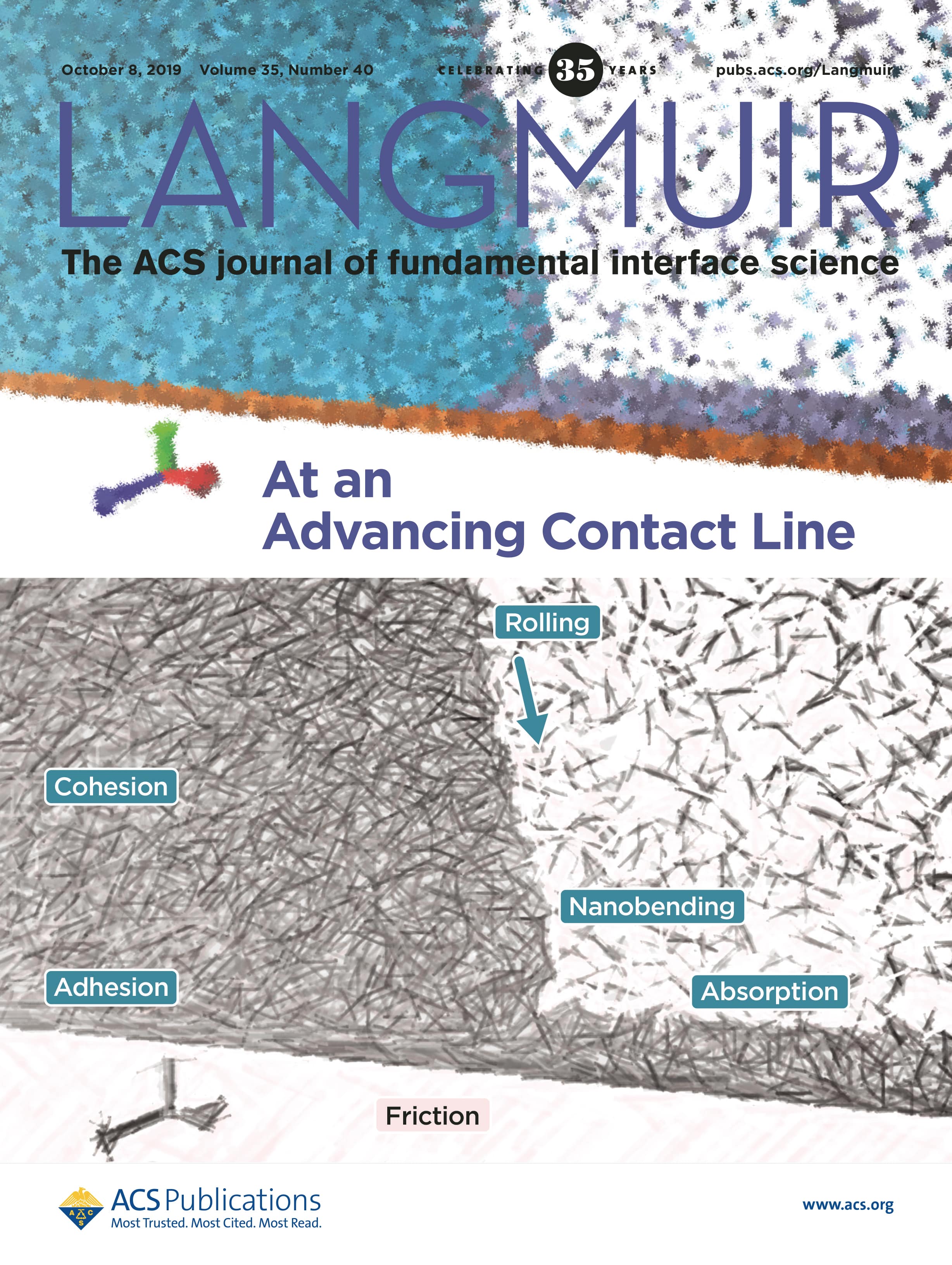
Langmuir · 2019
Investigating the Role of Lipid Transfer in Microbubble-Mediated Drug Delivery
Read paper →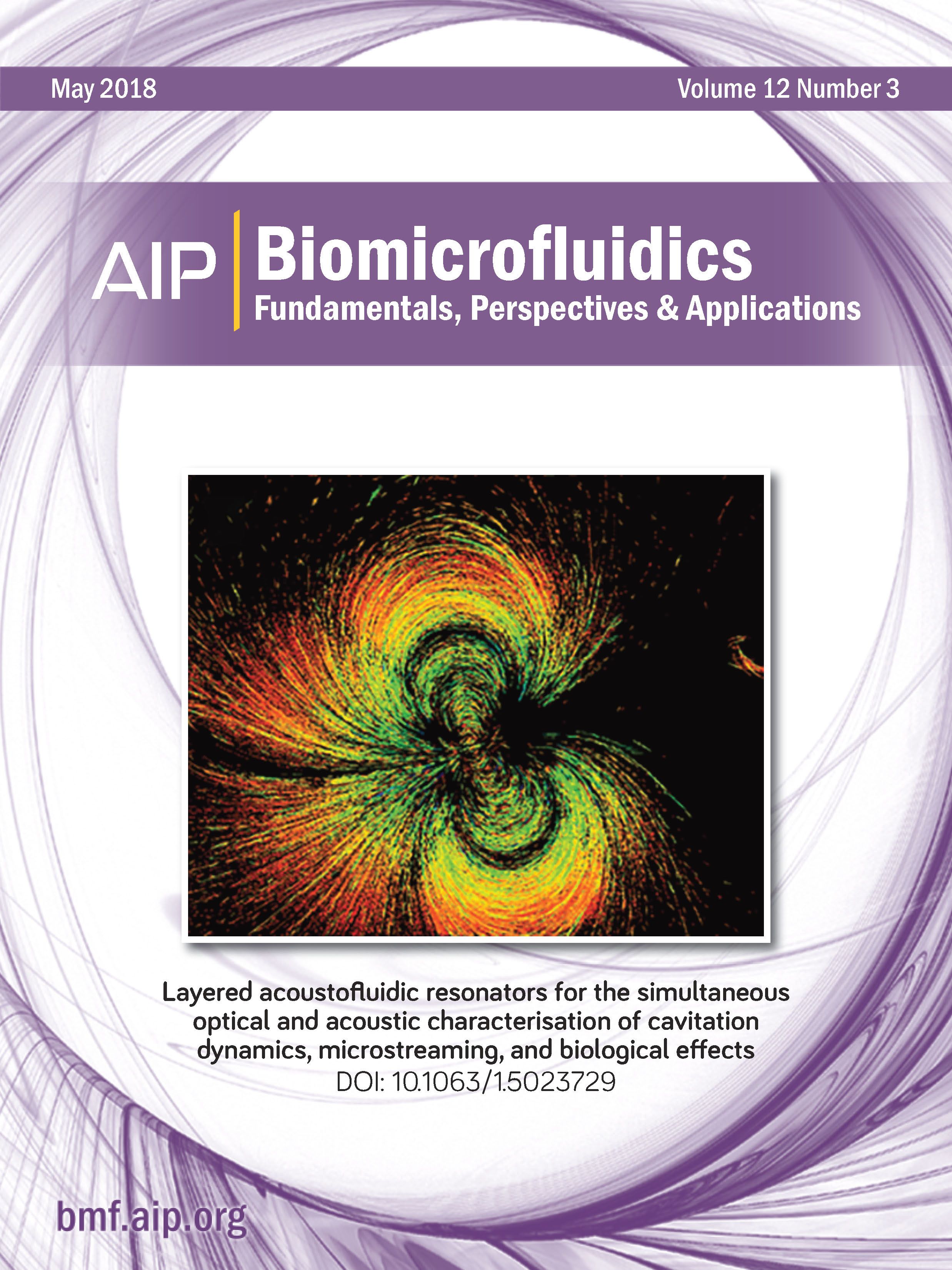
Biomicrofluidics · 2018
Layered acoustofluidic resonators for the simultaneous optical and acoustic characterisation of cavitation dynamics, microstreaming and biological effects
Read paper →
BioMed Central Bioinformatics · 2017
Spectral imaging toolbox: Segmentation, hyperstack reconstruction, and batch processing of spectral images for the determination of cell and model membrane lipid order
Read paper →
Physics in Medicine and Biology · 2017
Understanding the dynamics of superparamagnetic particles under the influence of high field gradient arrays
Read paper →
Biomaterials · 2016
Modulation of the molecular arrangement in artificial and biological membranes by phospholipid-shelled microbubbles
Read paper →The Builder
When I told my father I had started seriously building web apps, he said baffled, "Well, what else would you do between the hours of 12 and 2?!" I couldn't help myself.
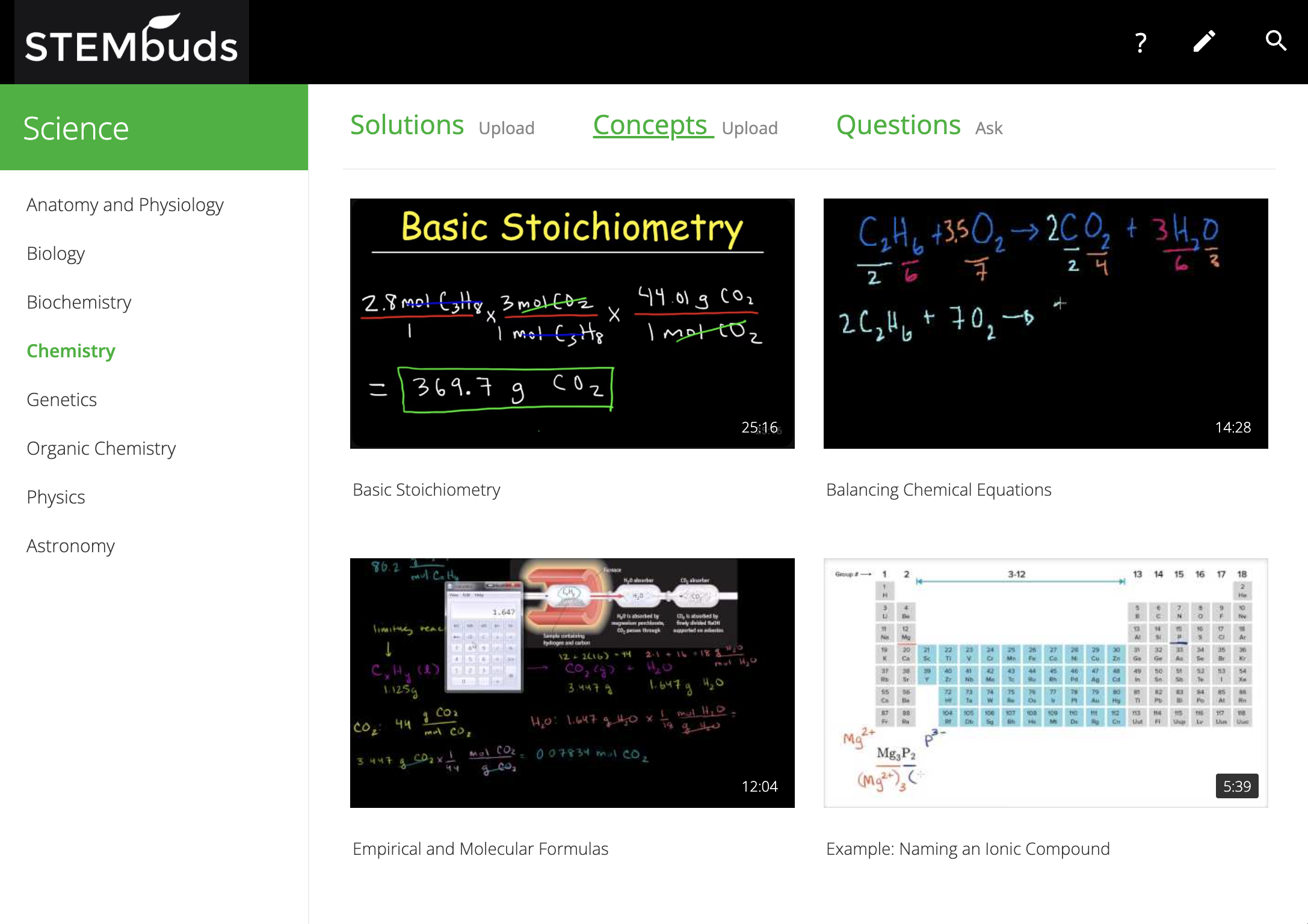
While in Europe, my cousin Brandon Moffitt and I grew frustrated with how unnecessarily difficult STEM education felt — not intellectually, but structurally. We built STEMbuds to fix it. To build it, I taught myself to code. The project never broke through, but it convinced me I didn't just want to study problems. I wanted to build solutions.
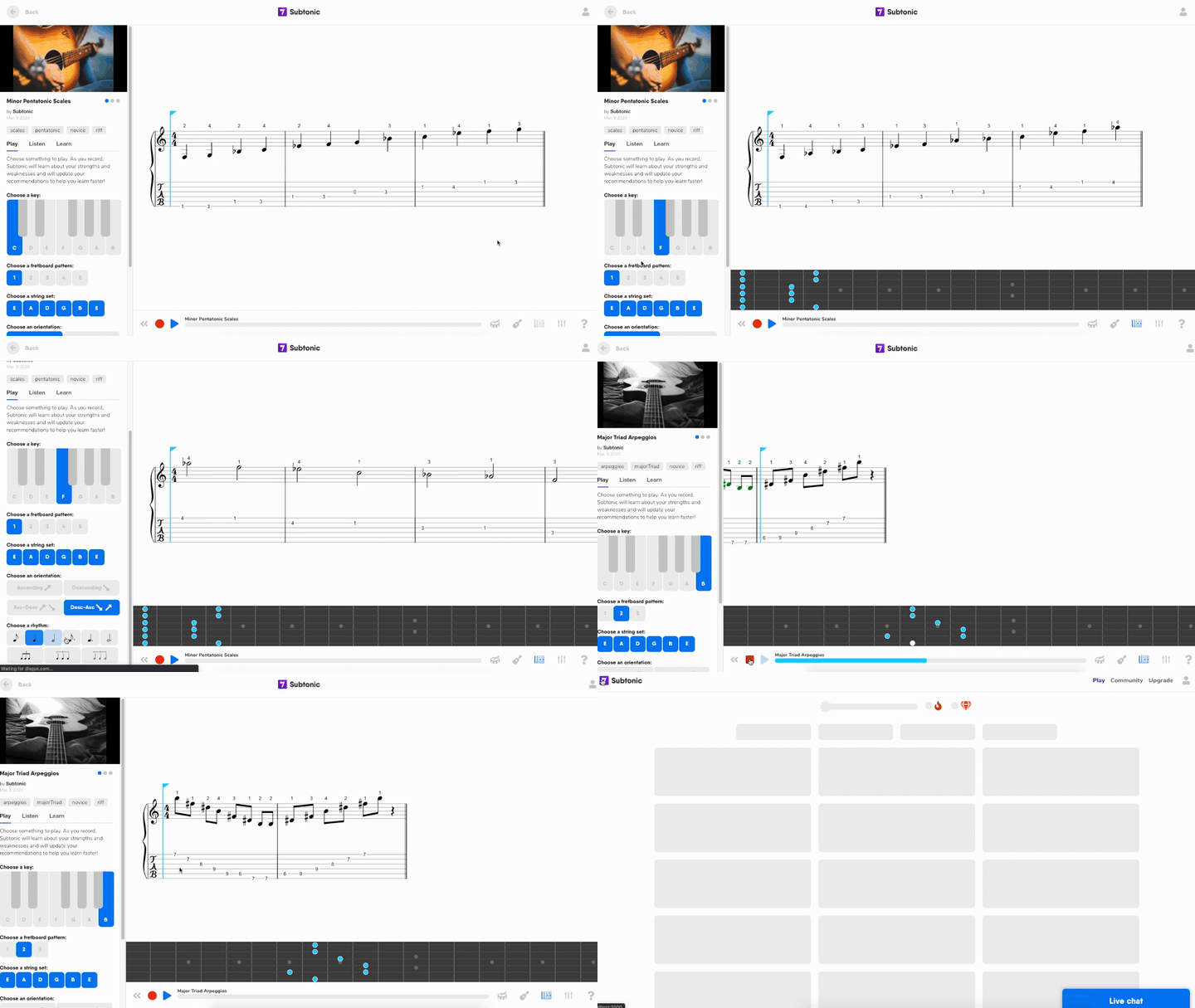
Tendonitis had redirected my career away from the guitar, but music was the friend I'd always come back to. I saw the same structural gap in music education that I was solving for with STEMbuds and built Subtonic: a browser-based platform for real-time learning and feedback. This time I learned product — how to interview customers, how to understand what users actually want, how design shapes experience. The technology worked. The business didn't.
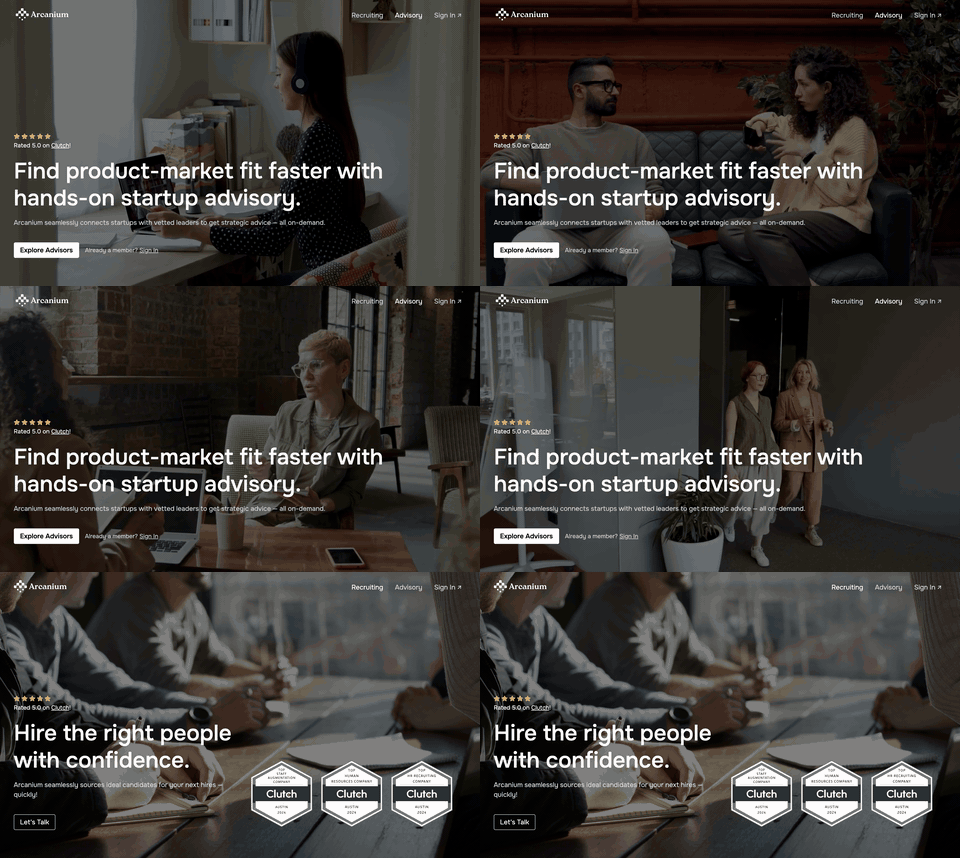
After Subtonic, I started helping other startups build software. What began as freelance work grew into Arcanium Ventures, building products and teams for companies across industries, including startups out of Y Combinator. This was where I learned business. At first I thought engineering would be the hard part. It wasn't. The hard problems were human — trust, communication, accountability, and leadership under uncertainty.
By then I'd accumulated the pieces — science, engineering, product, business — but they'd been scattered across other people's problems. I missed building something of my own, with conviction.
The Neurotone story
One of the companies Arcanium consulted for was SharpSpring, whose CEO and CTO — Rick Carlson and Travis Whitton — would later become my co-founders. After they sold SharpSpring, Rick and I stayed in touch. It was clear we'd build something together.
Neurotone has been around for over twenty years. The founder, Jerry Kirby, was a well-known audio entrepreneur who built custom amplifiers for the Grateful Dead. After years of those amps, the Dead asked him if there was anything he could do about the ringing in their ears. That question led Jerry to Robert Sweetow, a UCSF audiologist, who had developed LACE — an auditory training program clinically shown to improve how patients process speech and sound. Together they founded Neurotone and published more than ten clinical trials over the next decade. Then, in 2012, Jerry died in a car accident.
For ten years after his death, the company survived with zero employees, no marketing, no sales, no new product. Audiologists kept sending patients to buy LACE on the web — on the strength of what it had done for them in the clinic. I've never seen anything like it in tech.
Jerry's niece was Rick's head of HR at SharpSpring. When someone approached her about selling the family business, she brought it to Rick. He looked at twenty years of clinical evidence, a product cited in audiology textbooks, and a company that had refused to die.
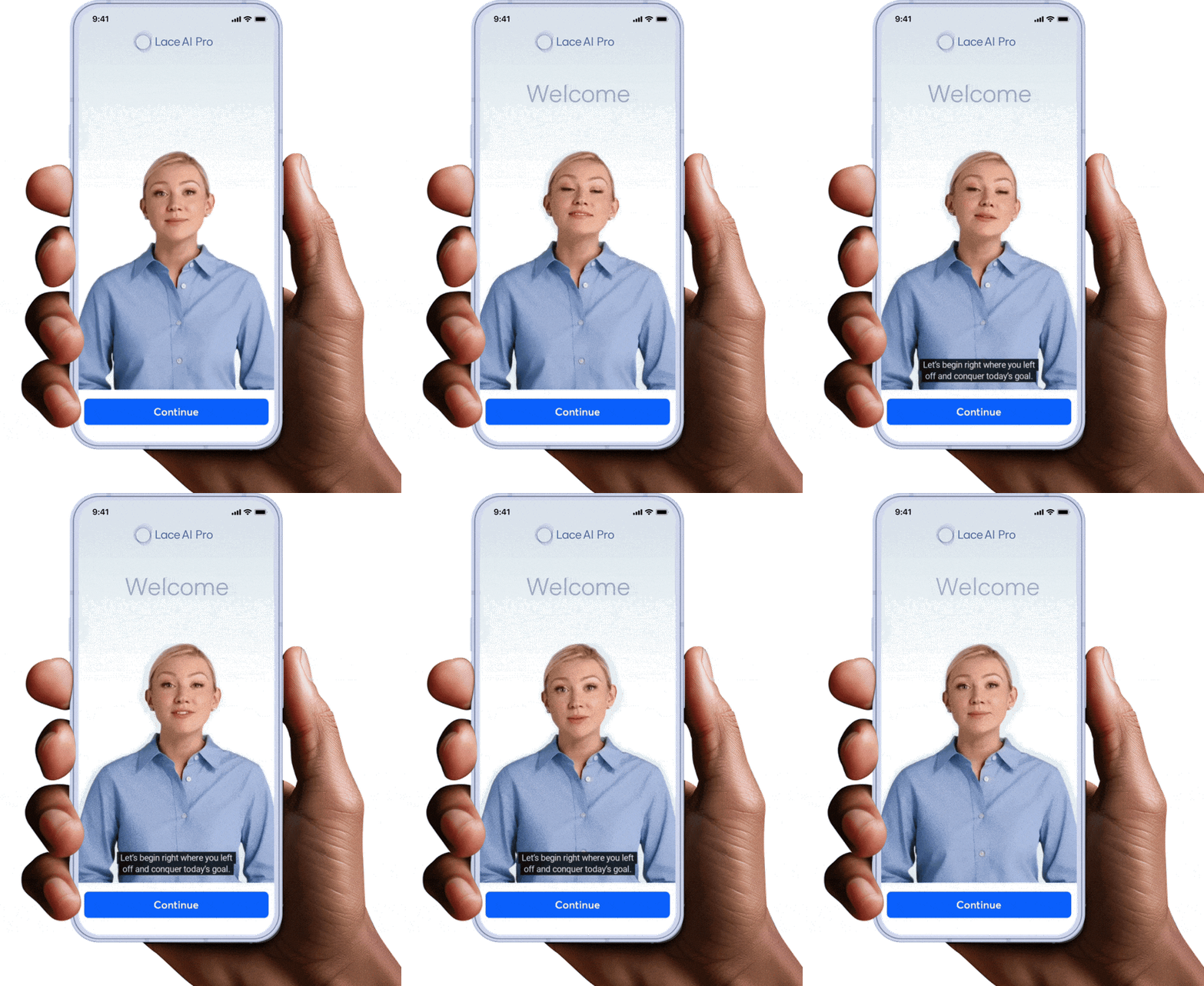
Rick called me. He and Travis were getting the band back together to buy Neurotone and take it forward. I shot my shot and asked to be COO. We raised, brought Travis in as CTO, rebuilt the product from the ground up, and launched Lace AI Pro in July 2024. Less than two years later we'd passed a thousand clinics. More patients have used Lace AI Pro than used the original LACE in the twenty years before.
It's the first truly successful startup I've been part of.
I grew up around people whose effort and talent often exceeded the opportunities available to them. That left me with a lasting distrust of systems that waste human capability — and a drive to build better ones.
The science I trained in is mostly done. What's missing is the translation — getting any of it to the people it could help. That's design, distribution, trust with clinicians, and products that fit into a patient's day — and that's where I'm spending my time.